

Stasera · The Formula
A collagen and anti-oxidant formula designed to support skin health more intelligently.
Every ingredient in Stasera is listed with its exact dosage and the reason it’s there fully disclosed.
No hidden blends. No filler ingredients. Just six clinically considered ingredients fully disclosed.
The approach
The goal was never simply to make another collagen supplement. Few ask what skin actually needs and fewer still have the clinical background to answer that question properly.
Stasera was formulated by a pharmacist who specialises in skin ageing. Every ingredient was selected after reviewing the evidence, not chosen for marketing appeal or cost economy. The result is an intelligent formula that addresses both sides of the collagen equation: the building blocks for synthesis, and the antioxidant protection that preserves what the body produces.
The doses are meaningful. The ingredients are listed in full. And the science behind each decision is set out on this page.
Sarah Newey
Pharmacist Prescriber · Skin Ageing Specialist - Founder of Stasera
The framework
Build
Marine collagen provides the peptides and amino acids the body uses as structural building blocks. Zinc supports normal protein synthesis and collagen metabolism. Vitamin C is the essential co-factor without which collagen formation cannot complete.
Protect
Astaxanthin, grape seed extract, vitamin C, and vitamin E form a comprehensive antioxidant layer, defending existing collagen from oxidative stress, UV damage, and the enzymatic processes that break it down.
Renew
By providing the body with what it needs to build and protect collagen, Stasera supports your skin’s ability to respond to renewal treatments. The formula doesn’t renew directly, it creates the conditions for renewal to happen effectively.
At a glance

(10g hydrolysed)
Supports collagen formation,
helping maintain skin structure
and elasticity.

(6mg)
A carotenoid compound known for its antioxidant properties

(50mg)
Supports collagen
and elastin integrity,
helping prevent breakdown.

(125mg)
Supports collagen formation
and helps protect cells
from oxidative stress.

(15mg)
Helps protect cells
from oxidative stress
and supports skin health.
(10mg)
Supports normal skin
and helps protect cells
from oxidative stress.

Marine Collagen
10000mg
Hydrolysed marine peptides Type I & III
Authorised claim
Vitamin C contributes to normal collagen formation for the normal function of skin.
The structural foundation of the formula.
WHAT IT IS
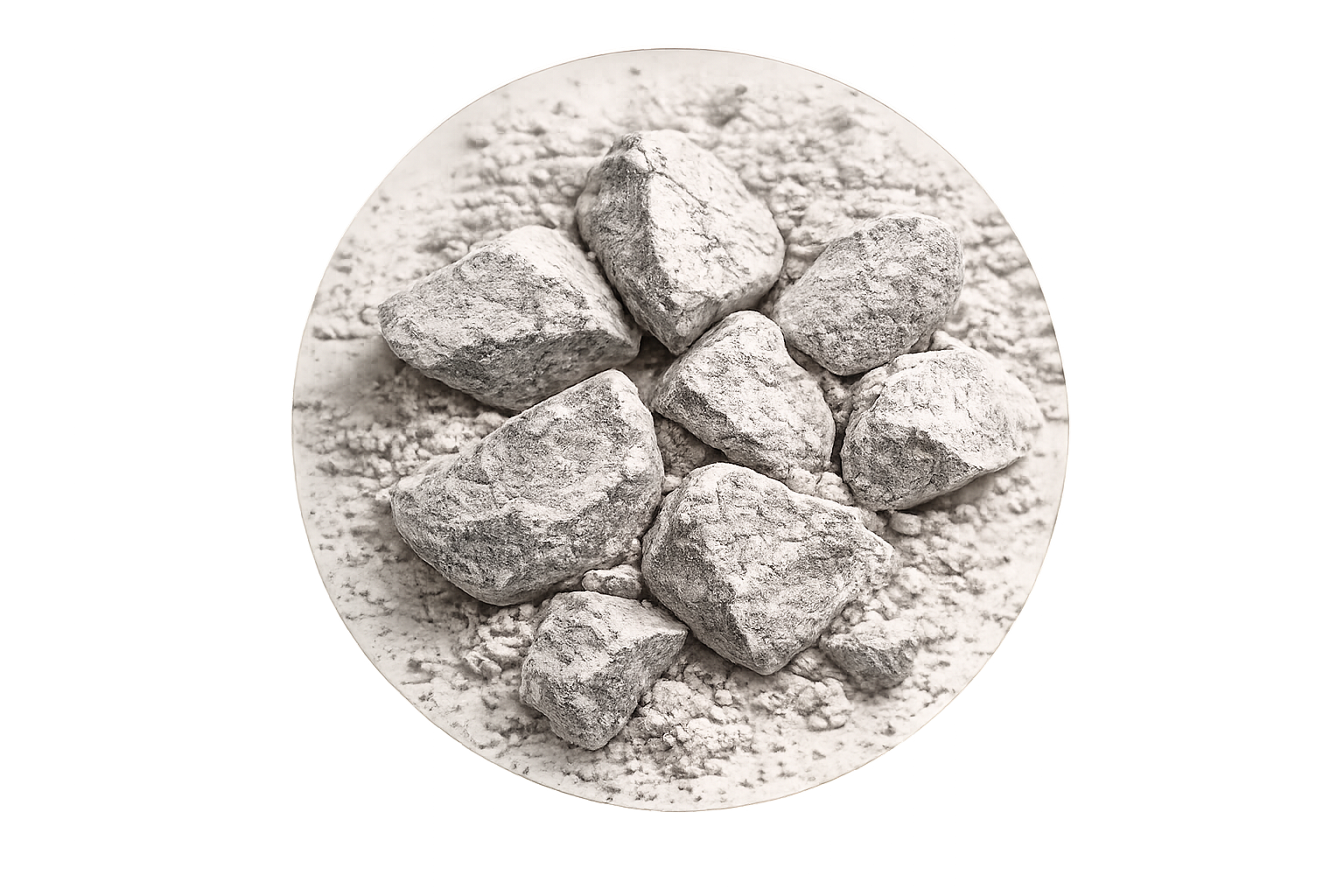
Marine collagen is derived from the skin and scales of fish. It is produced via controlled enzymatic hydrolysis, a process that breaks down the native collagen triple helix structure into low molecular weight peptides. These smaller peptides are more readily absorbed than intact collagen protein.
The formulation includes both Type I collagen, the primary structural collagen in skin and a meaningful contribution of Type III, which plays a role in skin elasticity and is present alongside Type I in the dermis throughout life.
Why it's in Stasera
Collagen is the most abundant protein in the human body and forms the structural framework of the skin. From the mid-twenties, the body’s ability to produce collagen declines at approximately 1% per year. Around menopause, that rate accelerates significantly. Providing the body with hydrolysed collagen peptides at a clinically relevant dose supports the availability of the amino acid building blocks required for collagen synthesis.
The formulation includes both Type I collagen, the primary structural collagen in skin, and a meaningful contribution of Type III, which plays a role in skin elasticity and is present alongside Type I in the dermis throughout life.
The dose
Stasera provides 10,000mg of hydrolysed marine collagen per serving. The majority of published research on collagen supplementation and skin outcomes has used doses in the range of 2.5g to 10g daily. The 10g dose represents the upper end of the evidence-supported range, reflecting a decision to formulate at a meaningful level rather than a token one.
Evidence context
Randomised, placebo-controlled trials using hydrolysed collagen peptides at doses of 2.5 to 10g daily for 8 to 12 weeks have shown improvements in skin elasticity, hydration, and dermal density alongside reductions in wrinkle depth. Meta-analyses have confirmed reproducible effects on skin hydration and elasticity versus placebo.
Following ingestion, collagen hydrolysate is absorbed as free amino acids and as bioactive peptides, notably Pro-Hyp, which reach the dermis via the bloodstream. These peptides act both as substrate for new collagen synthesis and as signalling molecules, stimulating dermal fibroblast activity.